BRIDGEHAMPTON, N.Y. — The Suffolk County Democratic primary is almost a mirror of the national undercurrent sweeping democratic politics. Encompassing a field of highly qualified candidates, any one of which would present a better option for constituents than the current representative, however, only one presents a clear path forward for combating the ‘ideological bankruptcy’ that’s been plaguing the party since long before the current presidential administration came to power.
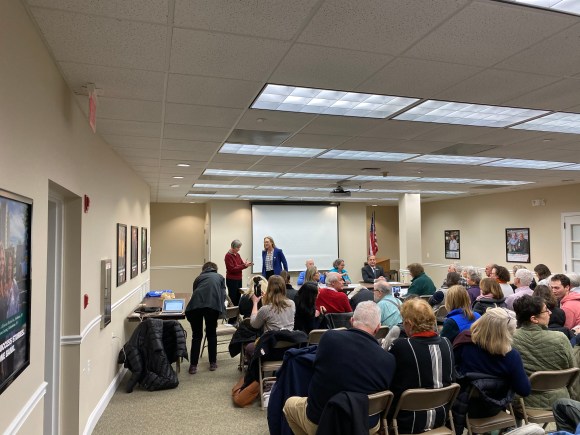
At a Progressive East End Reformers (PEER) hosted forum in Bridgehampton on Thursday Democratic candidates vying for the chance to be their party’s nominee, and the one to go toe-to-toe with Rep. Lee Zeldin (R-NY) this November, expressed their visions and touted their records for how they plan to address issues ranging from the environment, healthcare, immigration, transportation, and affordable housing, on Long Island.
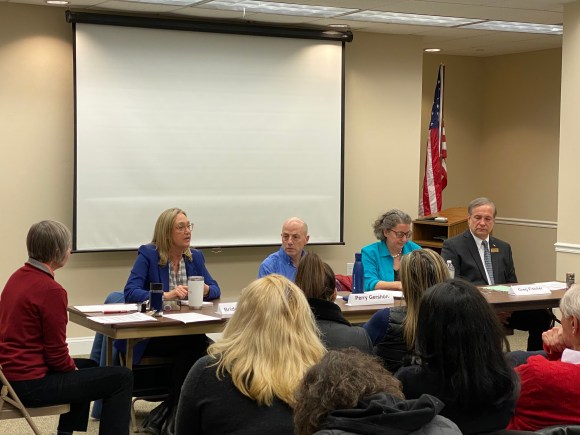
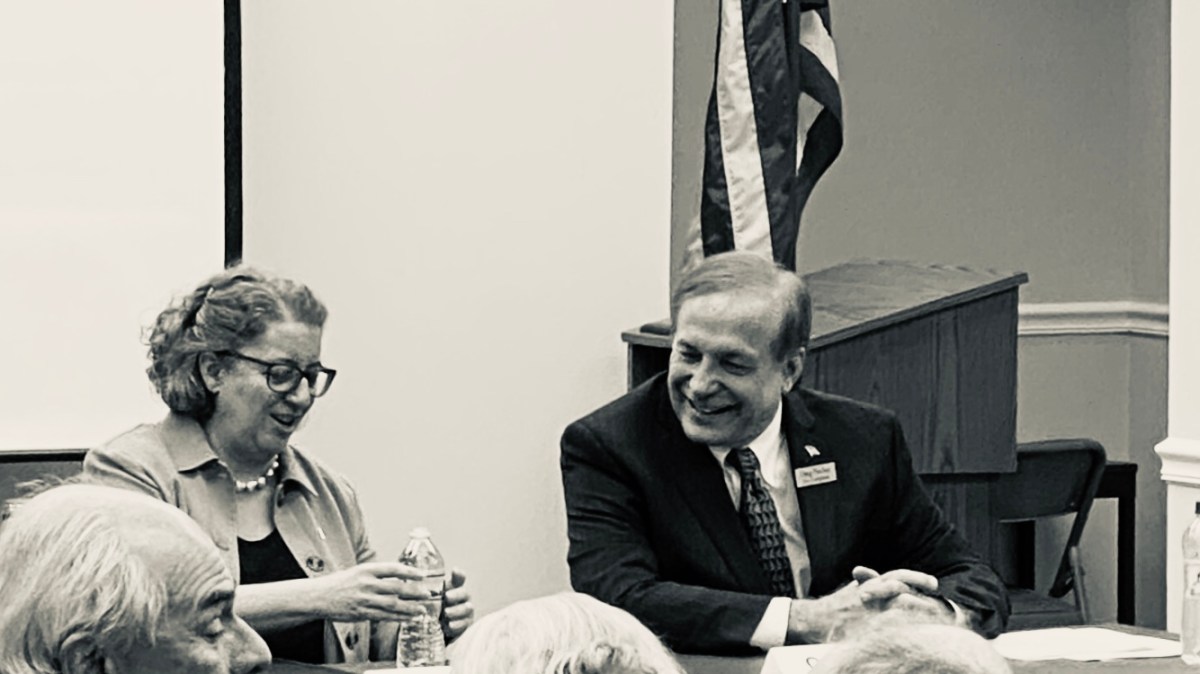
The field boasts an array of backgrounds and expertise, ranging from establishment insider and Suffolk County Legislature Bridget Fleming to Chair of the Stony Brook University chemistry department Nancy Goroff, businessman and economist Greg Fischer, and real estate funder Perry Gershon who had previously made an unsuccessful bid against Zeldin in 2018.
While any one of these candidates would be a marked improvement from what we currently have if there’s one thing that I’ve come to understand since 2016 it’s that sympathy and understanding by those running for office is all fine and well, but it means nothing if they don’t have the policy and vision needed to make the change they’re promising. And while one might be able to skirt by unnoticed for some time, eventually, such as the case with Zeldin now, people begin to take notice, and they’ll be expecting receipts come election season.
While the other candidates spoke in abstractions about how they would address the issues on Long Island, Fischer, seizing on his background in economics, routinely cited a proposal he had developed as a means for funding many of the popular programs currently making their rounds in mainstream democratic circles, such as Medicare for All and the Green New Deal.
Called ‘Consumption Adjusting Prosperity Economics’ or CAPE for short, the model aims to “create a new American-inspired economic paradigm to solve not just domestic problems but to peacefully overcome international planetary challenges as well,” according to Fischer’s campaign.
“If we move on and look at what we have to do to have these programs,” Fischer said, “we have to pay for them. So this [CAPE] is a way to pay for them, and there’s not one federal-level politician in the United States, presidential or congressional, to have a way to pay for the programs [that] we want to have.”
This is an important point that Fischer made. The electorate, through demonstrations, petitions, and the challenging of moderate politicians across the country by left-leaning millennials, makes clear that the people want action. So far, establishment candidates from both parties have done their best to play devil’s advocate, hoping to find a middle road or stemming off bold ideas by painting them as unrealistic simply because they are waiting to act until public sentiment comes around. But how often have we heard politicians speak on the existential crisis climate change poses to not only our community, state, and nation, but the world? Especially in the wake of CONVID-19 where we get a first-hand look at just how fragile the global economic system is, knowing climate change poses an even greater threat to global stability.
Christ! Michael Bloomberg’s entire campaign was virtually built around this belief and denying Donald Trump a second term. In June of 2019, Bloomberg announced in a press release that he would be pledging $500 million to combating climate change and funding green initiatives. Even as recently as the February 18 debate, Bloomberg made clear “the world is coming apart faster than any study predicted and we need to do something now.”
So why then, when politicians echo this sentiment, is it always followed by the word “but”? When asked by moderators at Thursday evening forum, on whether or not if elected to congress the candidates would support HR1 (the Green New Deal), Fischer was the only one to give an “unequivocal yes, plus it needs a lot more, quite frankly.” Both Goroff and Gershon said “no” while Fleming tied the question into knots, avoiding a definitive answer, “[I] absolutely support the aggressive renewable energy goals defined in the GND, I absolutely support reinstating the rolling back of environmental protections.”
We need bold candidates now more than ever to take risks in the right direction rather than take no risks at all and wait until issues become full-blown crisis’. The vast majority of candidates echoing soothing words of solidarity on the issue of climate change have no plan of their own to offer in its stead, and more than likely, have no plan to propose one anytime in the near-future.
The future of the democratic party needs bold individuals, with actual plans, and the willingness to fight for them, if the party ever hopes to fix the growing ideological gap its created for itself and before it turns off an entire generation of voters who view its members simply as soothsayers, who only call for civility because it buys them time to change the subject, and cast their critics as Hun’s for being angry that they can’t afford access to good-paying jobs, affordable healthcare, and a clean environment.

 Red Current